Organic traffic is the visitors who find you through unpaid search results on Google, Bing, and similar engines. It is slow to build and valuable when it arrives, because those people already asked a question your page can answer. There is no honest shortcut that delivers “millions of visits fast.” There is a repeatable way to earn steady search demand without looking like spam.
This 2026 guide explains what organic growth actually requires, which old SEO myths to drop, and a practical checklist for content, keywords, technical health, and measurement. It is written for bloggers and site owners who publish real pages, not for anyone chasing tricks. If you run Blogger, pair this with COMPROMATH’s Google Blogger SEO settings walkthrough.
Why good content still gets little traffic
Many new sites publish sincerely and still wait months for meaningful search visits. That is normal. Search engines need to discover pages, understand topics, and see that people find those pages useful over time. A brand-new domain with five posts rarely outranks established sites on competitive phrases overnight.
Traffic also stalls when pages are hard to crawl, slow on phones, thin compared with better answers, or written for keyword lists instead of readers. Google’s public guidance still prioritizes helpful, people-first content over pages built mainly to manipulate rankings. In 2026 that includes being careful with scaled AI filler that adds no firsthand experience.
Start with people-first pages, not word-count targets
Your first job is a page that fully answers a real question. Add examples, screenshots, caveats, and next steps only when they help. Padding an article to hit 2,000 words is not a ranking strategy. Google representatives have long said more content is not automatically better. Length should follow completeness.
Write for the searcher who already has a problem. Lead with the answer. Support it with clear headings. Update the page when facts change. Show experience where you have it. A short guide that solves one task often beats a long summary that restates what every other site already says.
One more myth to retire. Bounce rate in Analytics is not a simple Google ranking lever you can “fix” with gimmicks. Poor engagement can still hurt business results, and weak pages lose clicks in the results. The fix is better matching intent and clearer pages, not gaming a single Analytics metric.
Choose topics and phrases people actually search
Keywords are the phrases people type or speak into search. You still need them, but stuffing density targets is outdated and spammy. Aim for one primary topic per page, natural language in the title and opening, and supporting questions answered in sections.
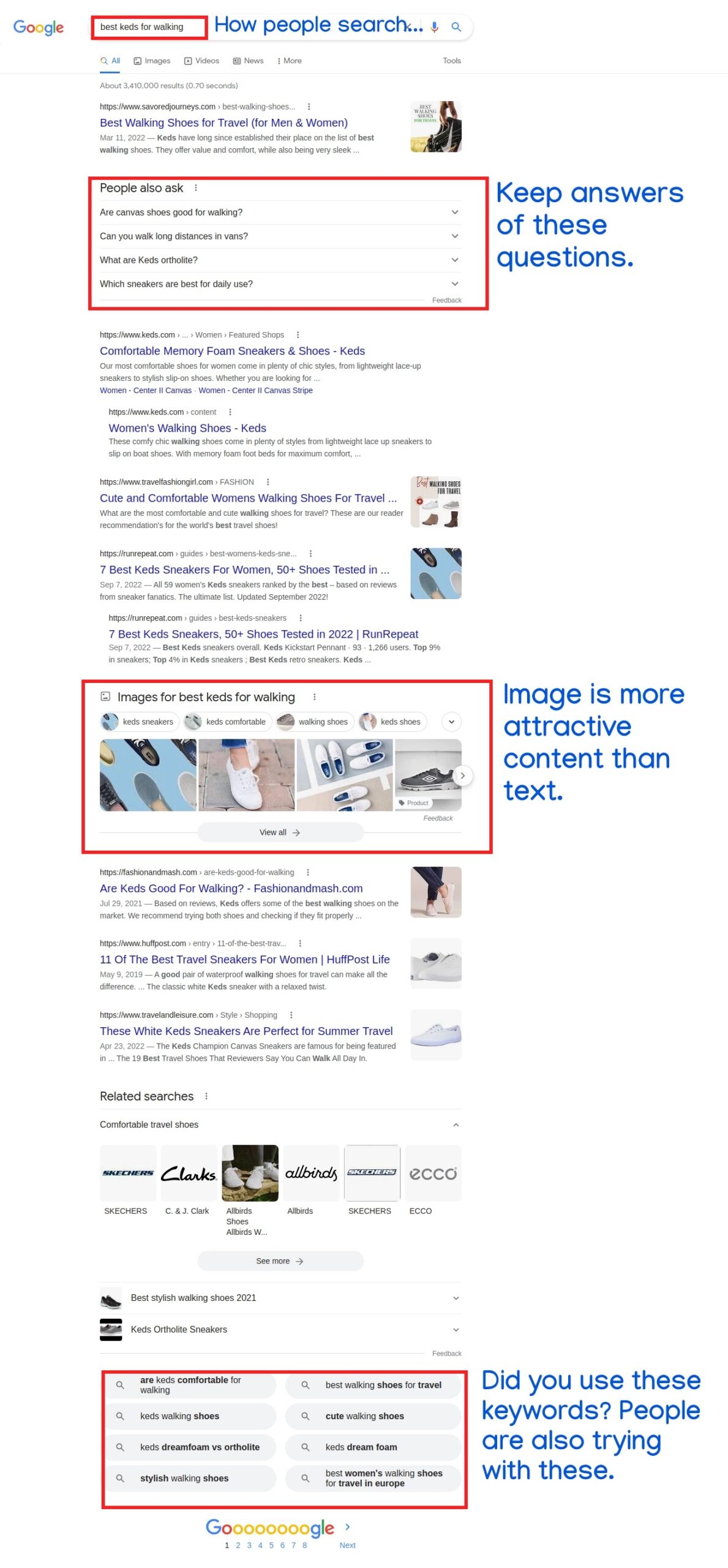
Start free. Use Google Autocomplete, “People also ask,” related searches, and Search Console once you have impressions. Free tools such as Google Keyword Planner can show demand ranges. Paid suites like Ahrefs, Moz, or Semrush help with competition estimates when your budget allows. None of them replace a useful page.
Prefer topics where you can add something specific. Firsthand setup notes, honest tradeoffs, updated screenshots, and local or niche detail beat generic “ultimate guides.” Look at what already ranks, then write the missing pieces those pages leave out.
Make the site easy to crawl and fast enough to use
Technical basics will not rank a useless page. They will stop a good page from being ignored. Confirm the site is public to search engines, uses HTTPS, works on mobile, and returns clean status codes. Submit a sitemap in Google Search Console and Bing Webmaster Tools. Fix soft 404s, redirect chains, and orphan pages that nothing links to.
Page experience still matters for users. Compress images, remove heavy scripts you do not need, and test key templates with PageSpeed Insights. Perfect scores are optional. A readable phone layout is not.
Hosting quality affects uptime and response time. Extremely cheap unstable hosts can waste crawl budget and frustrate readers. That does not mean you must buy the most expensive plan on day one. Match the host to the stage of the site. COMPROMATH’s budget hosting roundup and WordPress hosting for bloggers cover practical options. If budget is zero, a carefully set up Blogger blog can still earn search traffic.
Themes, plugins, and clean templates
On WordPress, prefer maintained themes from trusted sources and a short plugin list you will update. Abandoned null themes and random “SEO packs” are common malware and bloat paths. A simple theme that loads fast beats a multipurpose demo full of unused builders.
On Blogger, use a responsive template, clear menus, and trust pages. Platform choice is secondary to publishing habits. For AdSense and monetization readiness after traffic starts, see how to qualify for Google AdSense.
Build trust signals readers and crawlers can see
Organic growth compounds when the site looks like a real publisher. Add About and Contact pages with accurate details. Cite sources when you rely on official docs. Correct outdated posts. Avoid doorway pages, scraped rewrites, and affiliate fluff with no original testing.
Internal links help readers and crawlers move between related guides. Link only when the next page genuinely helps. External links to primary sources beat random directory spam. Structured data can clarify page type when implemented correctly, yet schema will not rescue thin content.
Earn attention beyond the publish button
Search is not the only discovery path, and early sites often need a nudge. Share useful posts with communities where the topic already lives. Answer questions on forums with links only when they add value. Build a small email list so one strong article can keep working. Digital PR and genuine mentions help more than buying opaque “guest post packages.”
Consistency beats bursts. A sustainable schedule of solid posts outperforms a dump of twenty thin pages followed by silence. If you later move from Blogger to WordPress for more control, plan redirects carefully with the Blogger to WordPress transfer guide. MigraSync can help when you want a structured migration instead of risky manual cutovers.
Measure what is working
Install Google Search Console early. Watch queries, pages, impressions, and average position. Impressions without clicks often mean titles and descriptions need clearer promises. Clicks without engagement often mean the page missed intent. Analytics helps you see which landing pages deserve expansion.
Give new pages time. Refresh winners. Improve or consolidate pages that never earn impressions. Deleting or merging unhelpful archives can strengthen a site more than publishing another shallow post.
A practical organic traffic checklist
- Pick one audience and one niche you can cover with real experience
- Publish pages that answer complete jobs, not keyword stubs
- Use natural titles and headings that match search intent
- Keep the site crawlable, mobile-friendly, and reasonably fast
- Connect Search Console and review queries monthly
- Update aging posts when facts, screenshots, or products change
- Avoid spam tactics such as spun content, link schemes, and mass AI filler
- Improve hosting and templates only as far as the site’s stage requires
What “success” looks like without hype
Success is not a viral overnight spike. It is a rising set of useful queries, more pages earning impressions, and return readers who trust your name. Monetization through ads or affiliates works better after that foundation exists. Patience is part of the method, not a consolation prize.
If you apply the checklist above, you align with how search systems say they want to reward pages in 2026. Helpful content first. Clean technical basics second. Measurement third. Skip the shortcuts that make a site look manipulative, and give honest publishing enough time to compound.

[…] Se stai ancora confrontando le piattaforme, queste guide Compromath aiutano sul quadro generale. Blogger vs WordPress per guadagnare, Hosting WordPress per blogger e linee guida sul traffico organico. […]