If you track how teenagers spend time today, the pattern looks simple at first. School. Sleep. Screens. But look closer, and the balance feels off.
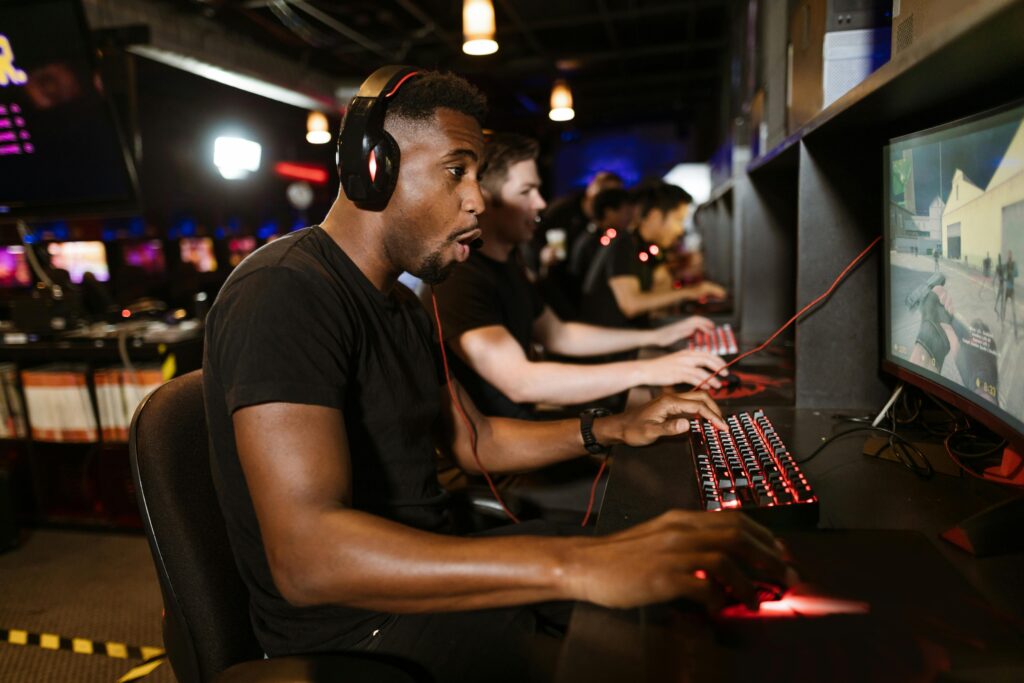
Gaming no longer fills gaps between activities. It often becomes “the” activity. While playing video games, hardly anyone keeps track of time. It all depends on the results. Until someone wins or the game is over, eyes seem frozen all along.
PubMed data show a rise in screen time habits among young adolescents. Maybe not dramatic enough to trend on social media. But definitely huge enough to show up in clinics, classrooms, and family dynamics. The mental health conversation around gaming shifted at that point. It stopped being hypothetical.
Why Walking Away From Games Feels Unnaturally Hard
Daily rewards. Limited-time events. Competitive rankings. Miss a session and progress stalls. Miss a week, and social standing drops. The pressure does not feel obvious, especially to young players, but it works.
That design reality explains why the video game lawsuit discussions gained traction. Families allege that major developers knowingly used behavioral psychology to keep players engaged for longer periods, particularly minors.
The claims do not argue that games should not exist. They argue that certain mechanics crossed a line.
TorHoerman Law assesses whether these design choices contributed to anxiety, depression, emotional volatility, and compulsive gaming behavior in children and teens.
Most modern games are not designed around completion. They are designed around continuity. What makes this issue harder to spot is how normalized excessive gaming has become. Long sessions rarely raise concern until behavior shifts. By the time families notice emotional changes, it is already too late.
Daily habits are often affected by excessive screen time and psychological changes due to constant wins or losses during gameplay.
What Mental Health Changes Look Like in Real Life
The earliest changes rarely look dramatic.
A shorter temper. Less patience. Sleep drifting later each week. School stress is increasing without a clear reason. Gaming is no longer an entertainment medium. It regulates our emotions.
National Institutes of Health observed higher levels of depressive symptoms among adolescents who reported heavy recreational gaming, even after accounting for other screen use.
Therapists often hear the same explanation from young patients. Games feel predictable. Real life does not. When gaming becomes the most reliable way to feel competent or calm, emotional dependence grows quietly.
Attention Does Not Disappear, It Redirects
Teachers rarely describe students as unfocused anymore. They describe them as intolerant of slow tasks.
Fast-paced games train attention toward constant stimulation. Classrooms operate on delay, patience, and repetition. The mismatch creates friction.
According to Statista’s 2025 U.S. youth behavior data, teenagers who exceed three hours of daily gaming report significantly higher difficulty maintaining focus during academic tasks than peers with lower gaming exposure.
Grades usually drop gradually. Motivation fades before performance does. Gaming remains the one environment where effort still leads to immediate feedback.
Online Play Does Not Equal Social Growth
Multiplayer games feel social. But that doesn’t mean there are real-time interactions with people.
Young players talk constantly online while avoiding face-to-face interaction. Family conversations shorten. Physical activity declines. Emotional nuance fades.
The U.S. Surgeon General warned that digital-first socialization can lead to emotional detachment and loneliness among adolescents. It is even when you are having conversations virtually from time to time.
The issue is subtle. Children are rarely alone. They are simply less practiced at real-world connections.
The Body Eventually Pushes Back
Sleep disruption usually comes first. Then headaches. Eye strain. Neck and wrist pain. Fatigue lowers emotional tolerance, which increases reliance on screens as relief.
Mental strain and physical discomfort reinforce each other. Gaming becomes both the cause and the escape.
When Gaming Stops Being Neutral
Gaming is definitely a huge problem if it is controlling your emotions. It is a problem if it disrupts sleep and school. It is a problem if it does not give you enough scope to develop in the crowd.
Warning signs include persistent irritability when gaming stops. One of the most common symptoms is withdrawal from previous interests. There’s a gradual decline in academic performance and ongoing anxiety tied to screen use.
Boundaries help when they feel consistent rather than punitive. Conversations work better than ultimatums. When emotional or behavioral changes persist, professional evaluation matters.
Gaming is not disappearing. The question now is not whether young people will play, but how much responsibility design systems carry for what happens when play never ends.
